Expert Tips for Efficient Cleaning Staff Management


Understanding the Role of Cleaning Staff Management
Efficient cleaning staff management is crucial for maintaining a clean and healthy environment in any facility. Whether it's an office building, hospital, or school, the cleanliness of a space directly impacts the well-being and satisfaction of its occupants. Proper management involves strategic planning, communication, and the right tools to ensure that cleaning tasks are performed effectively and efficiently.
Developing a Structured Cleaning Schedule
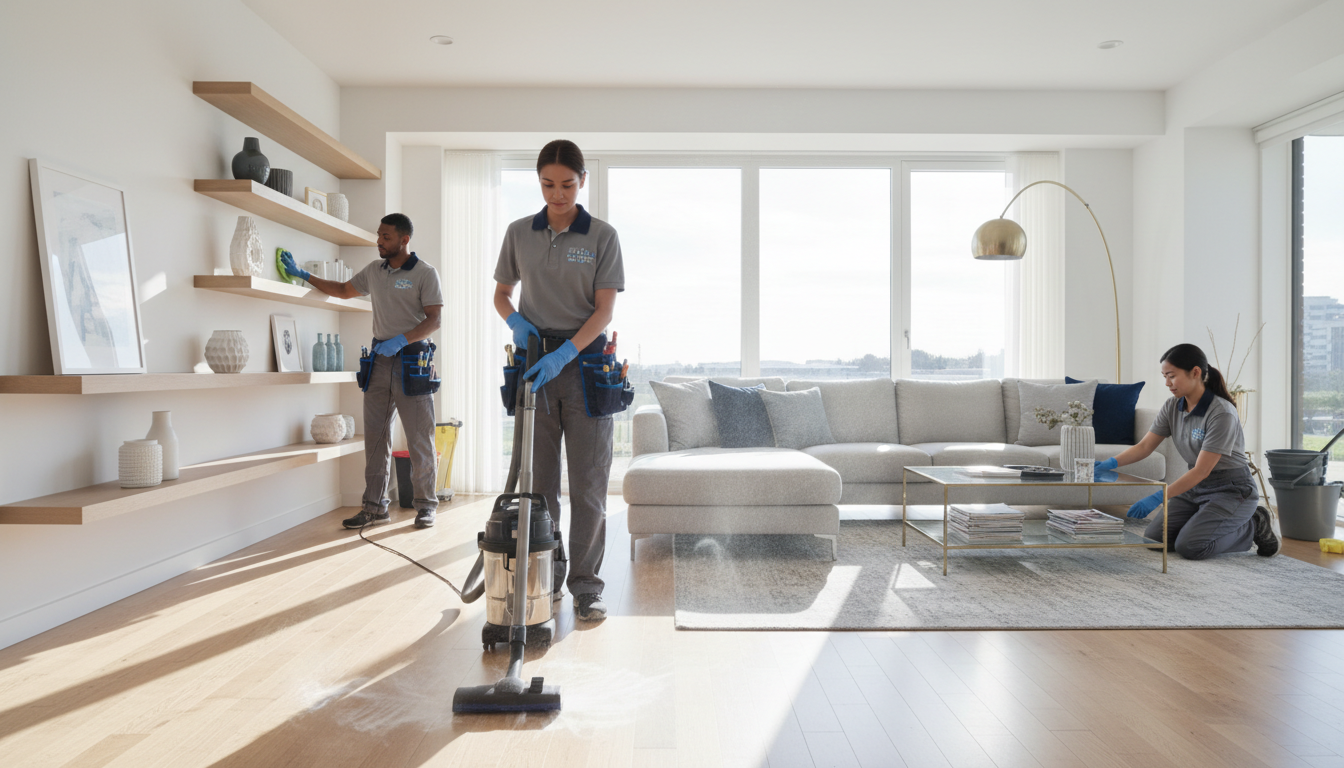
A well-structured cleaning schedule is the backbone of efficient cleaning staff management. Creating a detailed timetable that outlines daily, weekly, and monthly tasks helps ensure that all areas of the facility receive the attention they need. This schedule should be flexible enough to accommodate unexpected challenges yet rigid enough to maintain consistency.
Consider using scheduling software to automate reminders and updates. This technology can significantly reduce the administrative burden and allow managers to focus more on staff supervision and quality control.
Providing Comprehensive Training
Training is a critical component in equipping cleaning staff with the skills and knowledge required to perform their duties effectively. Comprehensive training programs should cover cleaning techniques, equipment handling, safety protocols, and customer service skills. Regular workshops and refresher courses can keep the staff updated on the latest cleaning technologies and standards.

Implementing Clear Communication Channels
Effective communication is vital in managing a cleaning team. Establishing clear communication channels ensures that instructions, feedback, and updates are conveyed efficiently. Consider using digital communication platforms to facilitate real-time interactions between managers and staff. This approach not only enhances coordination but also strengthens team morale and accountability.
Utilizing Technology for Monitoring and Feedback
Modern technology offers various tools that can be leveraged for monitoring cleaning activities and gathering feedback. Implementing digital checklists and reporting systems allows managers to track progress and identify areas for improvement. Feedback mechanisms, such as surveys and suggestion boxes, encourage staff to provide input on operational enhancements and challenges they face.
Motivating and Rewarding Your Team
A motivated team is essential for maintaining high standards of cleanliness. Recognizing and rewarding hard work boosts morale and encourages staff to maintain their performance. Consider implementing an incentive program that acknowledges achievements and provides tangible rewards, such as bonuses or additional time off.
Regular team-building activities and open forums for discussion can also foster a positive work environment, improving staff retention and job satisfaction.
Ensuring Quality Control
Quality control is a fundamental aspect of cleaning staff management. Conduct regular inspections to ensure that cleaning tasks meet established standards. Developing a quality control checklist can help in systematically evaluating different areas and identifying any discrepancies. Encourage staff to take pride in their work by involving them in the quality control process.
Adapting to Change and Continuous Improvement
The cleaning industry is constantly evolving, with new technologies and methods emerging regularly. Managers should be proactive in adapting to these changes by continuously seeking improvement opportunities. Attend industry conferences, participate in webinars, and network with peers to stay informed about the latest trends and innovations.
By fostering a culture of continuous improvement, cleaning staff management can remain efficient, effective, and aligned with industry standards.